Teaching
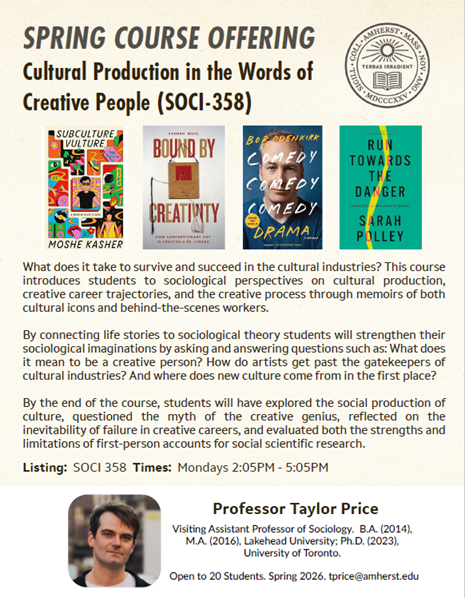
Cultural Production in the Words of Creative People
What does it take to survive and succeed in the cultural industries? This course introduces students to sociological perspectives on cultural production, creative career trajectories, and the creative process through memoirs of both cultural icons and behind-the-scenes workers.
Music and Society
Music can make us feel good, help us make friends, and inspire social revolutions. This course introduces students to sociology’s capacity to explain cultural phenomena by examining how technological revolutions and institutional arrangements produce the culture industry products we love—and those we love to hate. Throughout the course, students will learn how to trace connections between music and their social identities, connections between music and societal inequalities, and connections between music and social transformations. We will ask questions like: What makes popular music popular? Where do new genres of music come from? And how does music influence the social world? By the end of the course, students will have the tools to analyze how sounds, music scenes, and media landscapes shape what we like, who we are, and the world we inhabit.
Media and Society
Media constantly surrounds us. So how does reading, watching, posting, scrolling—and then scrolling some more—influence the way we think, how we act, and who we become? This course explores how traditional, digital, and social media shape individuals, groups, and societies. We will ask questions like: How did a word coined by Kai Cenat and his friends become Oxford’s word of the year? How do music streaming platforms influence what becomes a hit song? How do photographs in the news, ads on TikTok, paintings in museums, and dusty old books influence how we think about society and ourselves? To answer these questions and others like them, students will gain hands-on experience with sociological theories and methods. The course equips students with tools to critically analyze systems of media production, communities of media reception, and messages transmitted through media.
Sociology of Everyday Life
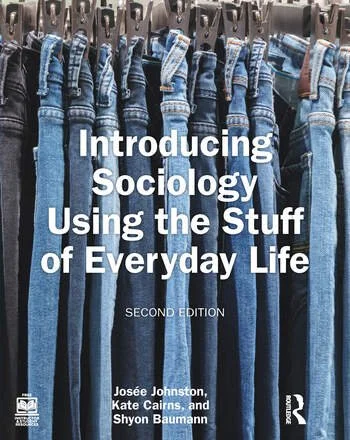
Why do we have seven days in a week—not six or eight? Why are women’s pants pockets so much smaller than men’s? Why are everyday items like beds, eating utensils, and coffee pots so different around the world? This course is an introduction to sociology through the familiar, functional, fun, and weird things in our lives—things like calendars, clothes, games, and awkward encounters. No background in sociology is necessary to take this class, only an openness to “seeing the strange in the familiar.” Together, we’ll explore how society shapes the roles we take on during daily activities, and how the roles we play in society shape the trajectories of our lives. By the end of the class, you will have learned core methods and theories for analyzing the social processes that unfold every day right in front of you. Throughout the class, you will practice using sociological reasoning to better understand your everyday life, and strengthen your ability to navigate the social world—on campus, at work, in your hometown, and wherever else life takes you.
The Sociology of Culture
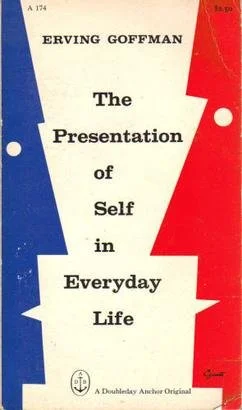
In this course, students will apply sociological insights to cultural phenomena. We will explore how culture creates patterns in the social world. We will also explore how some social collectives spark cultural change while others, conversely, reinforce conventions.
Select lectures available here: https://www.youtube.com/playlist?list=PLEqrjYtEZVsFG5Z24LPPJ08LBg7nvRa5m
The Sociology of Hip-Hop
This course covers hip hop’s complex social history. By learning about the origins and history of hip hop culture we can engage about debates about import and impact of hip hop music in social life. And, beyond that, you can practice media literacy skills to understand the social forces shaping your cultural environment.
Syllabus available here: https://www.sociology.utoronto.ca/sites/sociology.utoronto.ca/files/SOC386H1S-Taylor-Price.pdf
Course available here: https://youtube.com/playlist?list=PLEqrjYtEZVsHPnKx8M6EgkeqQVqyWpI8E
Academic Skills
In my teaching, I help students develop their scholarly capacities, such as reading, notetaking, participating in academic discussions, and writing. To support the professional development of all my students, I devote a portion of time during my class to share best practices of evaluating sources of information, understanding scientific texts, and writing in a clear professional style.
See my three-part series on writing a sociological research proposal here: https://www.youtube.com/playlist?list=PLEqrjYtEZVsGrkmDpZEt1ELyXDLB1SFYR
Courses Taught
Sociology of Culture. 2023 summer semester, Lakehead University.
Sociology of Hip Hop. 2021 winter semester, University of Toronto, St. George Campus.
Culture, Creativity, and Cities Capstone. Co-taught with Dr. Childress 2020 and 2021, winter semesters, University of Toronto, Scarborough Campus.